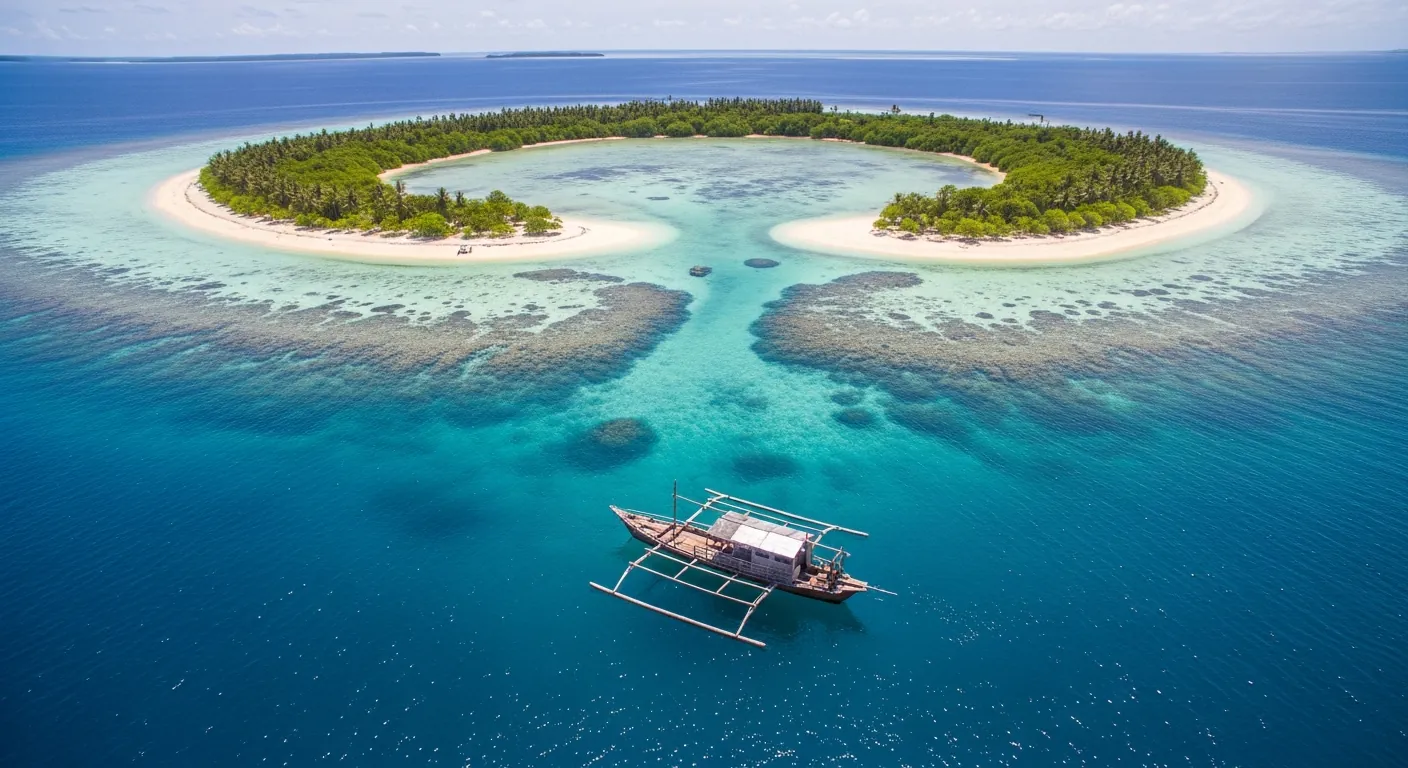
The distant thrum of a longboat engine carries across the placid turquoise, a subtle vibration preceding the visual arrival of a wooden vessel cutting through the glassy surface. Below, the water clarity reveals the nascent structures of a coral garden, a world of intricate life awaiting exploration. This is the preface to togean diving, an independent guide to the intricate marine ecosystems and overland access routes of the Togian Islands.
The Togian Archipelago: A Geographical Overview for Divers
The Togian Islands comprise 56 islands and many offshore islets, geographically situated within the Gulf of Tomini, Central Sulawesi, Indonesia. This archipelago extends through the Tojo Una-Una Regency, offering varied marine environments influenced by its position. The largest islands in the group include Batudaka, Togean, Talatako, Una-Una, Walea Bahi, Walea Kodi, and Malenge. Togean Island itself, with an area of approximately 237 square kilometers, ranks as the second-largest within this island chain. Its coordinates are approximately 0.39167 degrees south latitude and 121.95778 degrees east longitude, placing it firmly within the equatorial zone. This geographical positioning contributes to consistent water temperatures, typically ranging from 27 to 30 degrees Celsius year-round, a key factor for coral health and marine biodiversity. Dive operators typically recommend 3mm wetsuits for thermal comfort during multiple daily dives. The islands’ geological formation, primarily volcanic in origin, has created a varied underwater topography of fringing reefs, barrier reefs, and atolls. Access to the archipelago for divers and slow-travellers typically involves routes from Ampana or Gorontalo, with ferry services operating multiple times weekly. These routes dictate the logistical planning for reaching the various dive resorts scattered across the islands.
Coral Reef Ecosystems of Central Sulawesi
The coral reef ecosystems surrounding the Togian Islands exhibit significant biodiversity, characteristic of the Coral Triangle region. Hard coral species, including massive Porites, branching Acropora, and intricate Montipora, form the foundational structures of these reefs. Soft corals, such as gorgonians and sea fans, are also prevalent, often found in deeper sections or areas with stronger currents. Fish populations are diverse, encompassing reef residents like damselfish, anemonefish, and butterflyfish, alongside pelagic species such as barracuda and trevally near more exposed dive sites. Macrofauna, including nudibranchs, flatworms, and various crustacean species, contribute to the intricate food webs observed. The Gulf of Tomini’s relatively sheltered nature, compared to more open ocean environments, provides protection from extreme weather events, contributing to reef stability. Visibility generally ranges from 15 to 30 meters, influenced by tidal flows and plankton blooms. Water conditions are monitored by local dive centers, which report average salinity levels of 33-35 parts per thousand. Togian Islands National Park regulations prohibit destructive fishing practices within designated zones, aimed at preserving these delicate ecosystems. This includes restrictions on anchor usage and the collection of marine organisms.
Togian Islands Dive Sites: A Spectrum of Underwater Experiences
The Togian Islands are known among travelers for their diving spots, which are typically accessed from various local resorts. Dive sites range from shallow coral gardens suitable for beginner divers to deeper walls and pinnacles that challenge experienced explorers. Kadidiri, for instance, offers drift dives along vibrant walls, often revealing schooling fish and occasional reef sharks. The Bomba area features diverse topography with both sloping reefs and small caves. The Una-Una atoll, formed by an active volcano, presents unique black sand dive sites where macro life thrives, including various species of pipefish and seahorses. Visibility here can sometimes be reduced due to volcanic particulate matter but often reveals distinct organisms adapted to this environment. The California Reef, a popular site, showcases extensive hard coral formations and frequent sightings of large pelagic species. Average dive depths at these sites range from 10 to 30 meters, with some deeper technical diving opportunities available for qualified divers. Current conditions vary significantly between sites, from gentle drifts to moderate flows, requiring careful planning by dive guides. Many resorts offer guided night dives, where nocturnal reef inhabitants such as crabs, octopus, and Spanish dancers are commonly observed. Dive operations adhere to Indonesian safety standards, with most centers providing rental equipment and certified instructors.
Jellyfish Lake: A Unique Ecological Phenomenon
One of the most distinctive attractions in the Togian Islands is the brackish water jellyfish lake, a rare ecological phenomenon. This lake, situated on one of the smaller islands, hosts a population of stingless jellyfish. These jellyfish, primarily a species of mastigias, have evolved without the need for stinging nematocysts due to the absence of natural predators within the lake’s isolated environment. Visitors can snorkel in the lake, experiencing direct interaction with these unique creatures. The lake’s water chemistry is a complex mix of freshwater runoff and tidal saltwater intrusion, creating a distinct habitat. The depth of the lake varies, reaching approximately 5-7 meters in its deepest sections. Water temperature in the lake generally mirrors ambient air temperatures, typically around 28-30 degrees Celsius. Access to the lake is typically arranged through local dive resorts, involving a short boat ride followed by a brief walk. Regulations for visiting the jellyfish lake emphasize minimal disturbance: no fins are allowed to prevent sediment agitation and potential harm to the jellyfish. The lake represents a fragile ecosystem, and conservation efforts focus on maintaining its pristine condition. This specific type of jellyfish lake is one of only a few known globally, making it a significant draw for ecological tourism.
Overland Access and Liveaboard Logistics
Reaching the Togian Islands involves a multi-stage journey, primarily via Ampana or Gorontalo. From Ampana, public ferries and fast boats depart daily, with journey times ranging from 2 to 5 hours depending on the destination island within the archipelago. The ferry to Wakai, a central hub, typically takes around 2.5 hours. From Gorontalo, an overnight ferry service operates a few times per week, taking approximately 12 hours to reach Wakai. These services provide essential links for both local communities and international travelers. Air travel into Central Sulawesi typically involves Makassar (UPG) or Manado (MDC) airports, with connecting flights to Ampana (P.O.W. Airport) or Gorontalo (Jalaluddin Airport). Indonesian liveaboard diving logistics, while not as prevalent in the Togians as in other Indonesian dive regions like Raja Ampat or Komodo, do exist for specific itineraries. These liveaboards often cater to longer voyages, exploring more remote dive sites or combining the Togians with other Sulawesi dive areas. Planning for these trips requires attention to ferry schedules, which can be subject to change due to weather conditions or public holidays. Visa regulations for Indonesia require most foreign nationals to obtain a visa on arrival or in advance, with a typical stay duration of 30 days. Most dive resorts offer airport transfers and assistance with onward travel arrangements.
Seasonal Dive Conditions and Conservation
Seasonal dive conditions in Sulawesi, particularly within the Gulf of Tomini, are influenced by the regional monsoon patterns. The best diving season for the Togian Islands generally spans from March to November, characterized by calmer seas, minimal rainfall, and excellent visibility. During these months, average air temperatures hover around 30 degrees Celsius, with water temperatures remaining consistently warm. The “wet season,” typically from December to February, can bring stronger winds and higher rainfall, which may affect sea conditions and visibility. However, diving is still possible during this period, particularly at more sheltered sites. The Togian Islands National Park, established in 2004, plays a crucial role in marine conservation. Its boundaries encompass significant coral reef areas, mangrove forests, and seagrass beds, all vital habitats for marine life. Regulations within the park include restrictions on fishing methods, waste disposal, and anchoring in sensitive areas. Dive operators and resorts often participate in local conservation initiatives, such as reef monitoring programs and clean-up dives. Visitors are encouraged to practice responsible diving, including maintaining buoyancy control and avoiding contact with marine organisms. This commitment to conservation ensures the long-term health of the Togian Islands’ diverse marine environment for future generations of divers. The park’s management collaborates with local communities to integrate traditional ecological knowledge with modern conservation strategies. Read more about the Togian Islands on Wikipedia.
The Togian Islands offer a unique and rich diving experience, from vibrant coral reefs to the singular jellyfish lake, all accessible through careful planning and adherence to local regulations. For a comprehensive guide to planning your next dive adventure, explore Togean Diving’s resources at togeandiving.com.